

Some auction properties stand out for their setting or period features. Others come with stories you could hardly make up. Among the unusual homes and buildings attracting attention in Britain this year are a Berkshire workshop with an underground railway, a signal box on a working railway platform and a sandstone cottage dating back to 1511.
Each offers a glimpse of what makes a character property so appealing, and a reminder that the stranger the building, the more carefully you should check what you’re buying.
A Berkshire workshop with a railway below

In Tilehurst, a civil engineer spent more than two decades hand-digging a network of tunnels beneath a workshop. The complex runs through four levels and includes underground rooms and a hand-built railway.
The property also has planning consent for a 5,000 sq ft home on the site of its swimming pool, while the workshop has consent for conversion into a three-bedroom house. The lot is due to go to auction on 28 October, with a guide price of £300,000–£325,000.
For workshop and garage enthusiasts, the tunnels may be the headline attraction. But a remarkable feature isn’t automatically a straightforward one: buyers will want to understand its construction, condition, access and future upkeep. Read the BBC’s report on the Berkshire property for more details.
A signal box beside the tracks

A very different opportunity appeared at Torre station in Torquay: a Grade II-listed signal box on a working platform. The three-storey building had previous planning for conversion into a holiday home. Its auction guide price was £29,000-plus; the auction listing records a sale at £32,500 on 8 October.
That low guide price shouldn’t be mistaken for the total cost of turning a historic railway building into a comfortable home. The auction listing noted that buyers should check planning details with the local authority, and its addendum said they might need to reapply. A building on an active station platform also calls for careful consideration of its setting and practical constraints. See the auction listing and its details.
A 500-year-old cave cottage
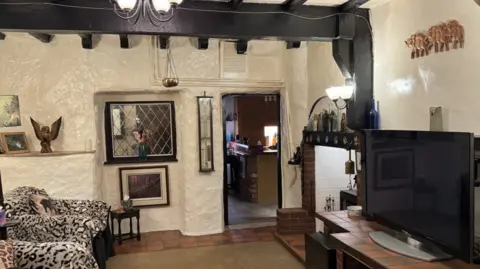
For a different kind of character, Rock Cottage in Worcestershire is carved into sandstone and dates back to 1511. It was reported as heading to auction earlier this year after serving as a private family home for more than 60 years. Its distinctive setting and history make it a striking alternative to a conventional period cottage.
With any unusual property, look beyond the romance of the listing. A specialist condition survey can help assess the building and identify what further expert advice may be needed. For a cave home, ask appropriate professionals to consider the rock, drainage and ventilation; for a listed building, check which consents would be required for proposed work.
The practical checks before you bid
Before committing, read the legal pack, verify the title and boundaries, and confirm exactly which planning permissions and building-control approvals apply. Consent is specific: don’t assume permission for one proposal covers your plans. Check restrictions, likely repair costs and any auction fees, too.
Unusual auction lots can inspire wonderfully ambitious plans, but the best first step is a thorough investigation. For more ideas and practical guidance for your own home, explore Improve Magazine.
Explore more ideas for your home